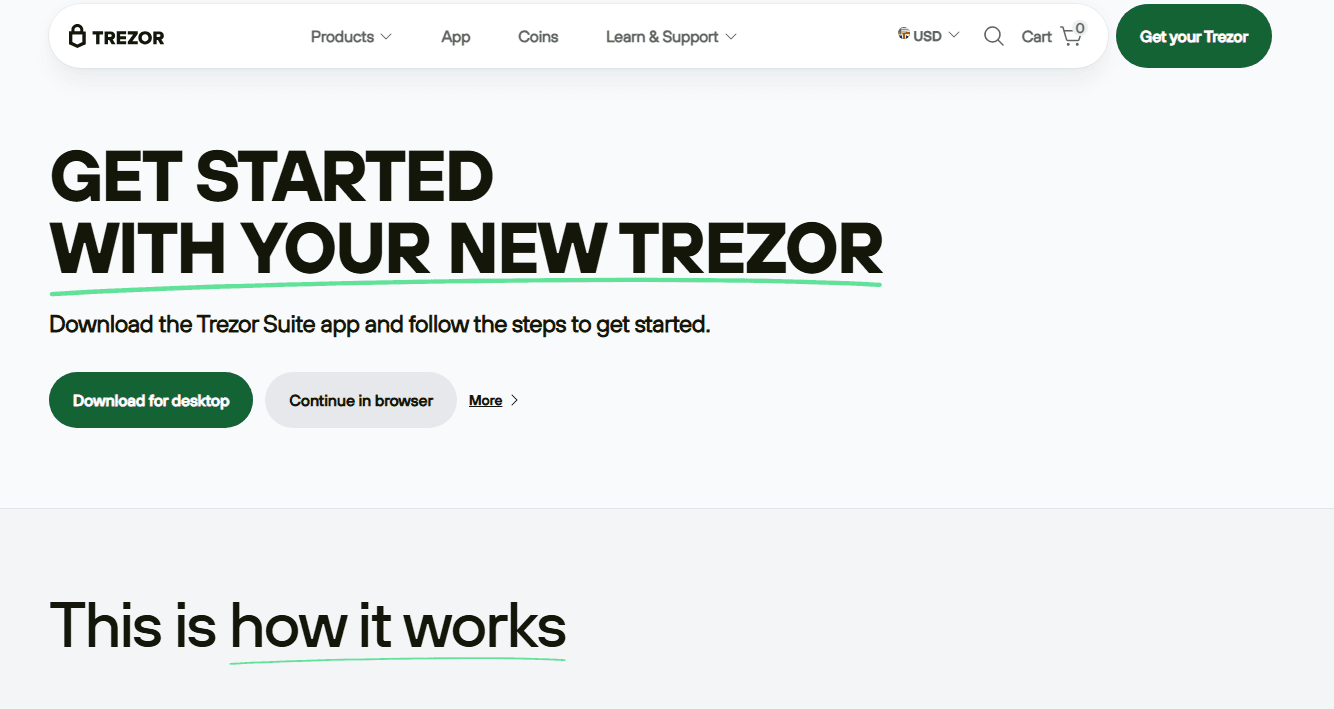
Trezor.io/start – A Complete Guide to Setting Up Your Trezor Wallet
Introduction: Start Your Crypto Security Journey with Trezor
As cryptocurrency adoption grows, so does the importance of keeping digital assets secure. Storing crypto on exchanges or software wallets exposes users to hacking, phishing, and malware risks. This is where Trezor stands out.
Trezor is a hardware wallet designed to keep your private keys offline, giving you full ownership and protection of your digital assets. By visiting trezor.io/start, users can safely set up their Trezor device and begin managing cryptocurrency with confidence. This guide explains every step needed to get started.
What Is Trezor and Why Is It Important?
Trezor is one of the world’s first and most trusted hardware wallets. Unlike online wallets, Trezor stores private keys offline, which means hackers cannot access them remotely.
Key benefits of Trezor include:
Offline storage of private keys
Protection against phishing and malware
Support for hundreds of cryptocurrencies
Full control over your funds
Using Trezor ensures that only you have access to your crypto, even if your computer is compromised.
Choosing the Right Trezor Device
Before starting at trezor.io/start, it’s important to select the right device.
Trezor One
Affordable and beginner-friendly
Supports major cryptocurrencies like Bitcoin and Ethereum
Simple design with button controls
Trezor Model T
Premium device with a touchscreen
Supports more coins and tokens
Includes advanced security features like Shamir Backup
Both devices provide excellent security, so your choice depends on your needs and budget.
Unboxing and Checking Your Trezor
Once you receive your Trezor device:
Check the tamper-evident seal on the packaging
Ensure the device has no physical damage
Confirm all accessories are included, such as the USB cable and recovery cards
Important: Always buy Trezor from official sources to avoid counterfeit devices.
Accessing Trezor.io/start and Installing Trezor Suite
To begin setup:
Connect your Trezor device to your computer using the USB cable
Open a browser and visit trezor.io/start
Download and install Trezor Suite, the official Trezor management software
What Is Trezor Suite?
Trezor Suite is the control center for your wallet. It allows you to:
Send and receive crypto
Manage multiple accounts
View balances and transaction history
Update device firmware securely
Creating a New Wallet or Recovering an Existing One
During setup, Trezor gives you two options:
Create a New Wallet
This option generates a brand-new wallet and a unique recovery seed.
Recover an Existing Wallet
If you already have a recovery seed, you can restore your wallet on the new device.
Security Tip: Your recovery seed is the most important part of your wallet. Write it down carefully and store it offline. Never store it digitally or share it with anyone.
Understanding the Recovery Seed
The recovery seed is a list of 12, 18, or 24 words generated by your Trezor. These words act as a backup key to your wallet.
Why the Recovery Seed Matters
Restores your wallet if the device is lost or damaged
Gives full access to your funds
Works with compatible wallets
Anyone with your recovery seed can access your crypto, so keep it safe at all times.
Setting Up a Secure PIN Code
After wallet creation, you’ll be asked to set a PIN code.
Required each time the device is connected
Protects against unauthorized physical access
Entered directly on the Trezor device
Choose a strong PIN and avoid common patterns like 1234 or 0000.
Updating Firmware for Maximum Security
Firmware updates are essential for keeping your Trezor secure.
Trezor Suite will notify you if an update is available
Updates fix vulnerabilities and add new features
Always update using official Trezor software only
Never install firmware from unknown or third-party sources.
Receiving Cryptocurrency with Trezor
To receive crypto:
Open Trezor Suite
Select the cryptocurrency account
Click Receive to generate an address
Verify the address on your Trezor device screen
Always confirm addresses on the hardware screen to avoid malware attacks.
Sending Cryptocurrency Securely
Sending crypto with Trezor is simple and secure:
Select the account in Trezor Suite
Click Send
Enter the recipient’s address and amount
Confirm transaction details on the device
Transactions only go through after physical confirmation on the Trezor device.
Using Trezor with Third-Party Wallets
Trezor is compatible with trusted third-party wallets, including:
MetaMask for Ethereum and DeFi
Electrum for advanced Bitcoin management
MyEtherWallet for Ethereum tokens
This allows users to explore DeFi, NFTs, and advanced features while keeping private keys secure.
Backup, Recovery, and Advanced Security
Shamir Backup (Model T)
This feature splits your recovery seed into multiple parts, increasing security.
Best Security Practices
Store recovery seed offline
Never share PIN or seed
Avoid public Wi-Fi
Keep firmware updated
Following these practices ensures long-term protection of your assets.
Supported Cryptocurrencies
Trezor supports hundreds of cryptocurrencies, including:
Bitcoin (BTC)
Ethereum (ETH)
Litecoin (LTC)
Cardano (ADA)
ERC-20 tokens
Support continues to expand through firmware updates.
Conclusion: Start Safely with Trezor.io/start
Using trezor.io/start is the safest way to begin your journey with Trezor. From setting up your device to managing daily transactions, Trezor provides unmatched security and control over your cryptocurrency.
By following this guide, you can confidently store, send, and receive crypto while keeping your assets protected from online threats. With Trezor, your crypto truly belongs to you.